FREE CONSULTATION
SE HABLA ESPAÑOL

Category: Premises Liability

Injured in an accident? We can help. From car accidents, workers’ comp claims, construction accidents to medical malpractice and police misconduct, we have you covered. Check out our blog for helpful tips and examples of claims, including many related to premises liability.

new york city auto accident lawyers 11366

My Child Was Hurt at School. Is the School Liable?

My Child Was Hurt at School. Is the School Liable For Injuries?

School is back in session… homework, early mornings, after-school programs, rush, rush, rush!  So many things to do, remember and attend.  Children, children, everywhere!  With all of the frenzy each day, no parent anticipates unforeseen peril for their child when sending them to school, but as they say, accidents happen.

Children can encounter unexpected mishaps at school in a variety of ways. The most common causes of injuries at school include:

Playground Misadventures

Emergency rooms see more than 200,000 children injured on the playground yearly, with nearly 10% of those injuries resulting in traumatic brain injuries.  Falls while playing on slides, swings, play structures, and jungle gym equipment account for a great deal of the cuts and contusions, scrapes, sprains, broken bones, and head traumas seen during these visits.

Sports-Related Injury

Whether occurring in P.E. class, the gym, or extracurricular sporting events, sports-related injuries in children 14 or younger approach 3.5 million in this country each year, with another 2 million occurring at the high school level.  Contact sports like football, rugby, field hockey, and soccer contribute to more than 20% of traumatic brain injuries reported. At the same time, baseball and softball account for the alarming increase in shoulder and elbow injuries in both boys and girls.  While proper protective gear is necessary, not every accident can be anticipated or avoided.

Hazardous Grounds Conditions

School grounds maintenance is a full-time job whether the school is in session.  Slippery steps, leaky water fountains or restroom facilities, over-used desks, sidewalk cracks or loose carpeting or tile, unsafe food-handling procedures in the lunchroom, worn, weakened playground equipment – cafeteria, janitorial, and maintenance staff cannot anticipate every potential hazard before injury occurs.  While fire drills are routinely scheduled for the safety of all students and staff onsite, other such routine upkeep and allowances can be elusive.  As a consequence, unforeseen accidents happen.  Whether a repercussion of oversight or negligence, your child’s school failed to meet a reasonable standard of care and may, therefore, be responsible for your child’s injuries.

Interpersonal Conflict or Bullying

As a parent, one of the most frightening aspects of your child suffering an injury at school is the risk of interpersonal violence with another student.  Sadly, bullying has always been one of the biggest risks among children.  While a spontaneous outburst can lead to physical confrontation, bullying may take many non-physical forms as well, affecting a child psychologically and emotionally.  Bullying has been defined as “any written, physical, or verbal threat that impedes another student’s right to a safe school environment.”*  If a child feels threatened or unsafe at school, the emotional, mental, or physical effects upon their daily performance cannot be overlooked.  Conditions such as these make it impossible for students to benefit from or participate in simple school activities, learning, or other standard scholastic programs and services.

Has your child been harmed or injured while at school?  You may have legal grounds for recourse.  Having a personal injury attorney on your side can help you discern what your child’s rights are and where you go from here.

Establishing your child’s school’s duty of care toward your family and all of the school’s student body is critical in determining whether or not there has been a breach in their providing a safe environment for all students – and your child, in particular.  Failure to provide a secure facility, appropriate staff supervision, or sound building or equipment conditions is negligence.  While not every situation may be anticipated or avoided, due diligence must be consistent in standard operating procedures for a school to avoid a negligence claim and liability for failures in their duty of care.

Cases involving injuries to school children are complex.  If you believe your child has been harmed or injured. At the same time, at school, call Daniella Levi & Associates, P.C.  We are uniquely qualified and experienced in establishing the context and evidence necessary to litigate the intricacies involving school injury liability.  If other children were involved, our legal team would work to pursue the appropriate parental/guardian responsible party(s) and see that your child is comprehensively compensated for their child’s actions.

Public vs. Private Institutions

Public schools and employees are generally considered government employees and can be legally held accountable. However, the time frame to commence such actions is limited.

By contrast, private schools are legally held accountable like any other private entity where liability is concerned.  As such, a private school can generally be held legally responsible for negligence and other offenses in a court of law, with most cases being settled with the school’s insurance provider.  In either case, there may be different standards and statutes of limitations for filing a lawsuit.

If your child has been injured at school, first and foremost, seek medical care as needed.  Request that the school document the injury and demand a copy of the incident report.  Notify your child’s school district office directly.  If the injury resulted from a sport or other school program, request a copy of any waiver form you may have signed about that particular activity.  Take photos of any visible injuries, and request copies of all related bills and records from medical providers, physical therapists, prescriptions, or additional services pertinent to your case.

Finally, make a call to Daniella Levi & Associates, P.C.  Our team of experienced personal injury and accident attorneys can assess your case and help guide you through the legal process to pursue compensation for the physical, emotional, and financial impact of your child’s injury.  We are here to help.

About Daniella Levi & Associates P.C.

After a serious accident, many people are in desperate need of the financial support that comes from a successful result of their injury claim. To ensure you have the best chance at obtaining the compensation you deserve, your lawyer should be just as invested in your case as you are.

At Daniella Levi & Associates, P.C., headquartered in New York City, we believe strongly in upholding the rights of accident victims. We are dedicated advocates for our clients, fighting, and using every available resource, to obtain the compensation they deserve.

Daniella Levi & Associates P.C. has 3 Locations in NYC: Levi Law Queens | Levi Law The Bronx | Levi Law Mineola

Building Liability lawyers nyc daniella levi and associates queens

Who is Responsible for Tree Trimming in Front of My House in NYC?

Written by Daniella Levi, Esq., Managing Partner – Premises Liability & Municipal Negligence

Key Takeaways

  • NYC Parks & Recreation owns and maintains all street trees planted between the curb and sidewalk, even if they’re in front of your property.
  • You cannot legally prune or remove a city street tree yourself—doing so can result in fines up to $15,000 per tree.
  • Property owners may hire permitted, insured arborists for supplemental pruning with proper permits, but routine maintenance remains the city’s responsibility.
  • Emergency hazards (broken limbs, trees blocking traffic) get faster responses than routine pruning requests.
  • Documenting hazards through 311 creates an official record that can protect you from liability if the city fails to act.

The Direct Answer

The NYC Department of Parks & Recreation is responsible for all pruning, maintenance, and removal of street trees in New York City. Street trees are those planted in the public right-of-way—the strip of land between the curb and the sidewalk—even when they sit directly in front of your home or building.

Property owners do not have the legal right to trim, prune, or remove these trees without a permit. However, you can request service through 311, and in certain cases, hire a city-approved arborist to perform supplemental work at your own expense.

Why this matters now: If a dangerous branch is hanging over your car or roots are lifting your sidewalk, waiting for the city’s routine pruning cycle—which can take years—may expose you to property damage or even liability if someone is injured. Understanding the rules helps you act legally and protect yourself from costly consequences.

Who Legally Owns Street Trees in NYC?

Under New York City Administrative Code § 18-104, the Department of Parks & Recreation holds exclusive jurisdiction over all trees planted in the public right-of-way. This includes the soil, roots, trunk, branches, and canopy.

Even though a tree may be rooted in the ground in front of your brownstone, row house, or apartment building, it is city property. The Parks Department manages these trees through a “Block Pruning” program—a cyclical system where neighborhoods are pruned on a rotating basis, typically every 7-10 years depending on tree density and borough.

What this means for you: You are not the owner, but you are impacted. If the tree causes damage to your property—such as roots cracking your foundation or branches scratching your roof—you generally cannot take action on your own. You must follow the city’s process or risk significant penalties.

When You Can (and Can’t) Hire Your Own Arborist

Here’s where it gets tricky. While the city owns street trees, property owners may hire private arborists to perform supplemental pruning—but only under strict conditions.

You Must:

  • Hire an ISA Certified Arborist with active NYC Parks Department indemnification insurance.
  • Obtain a Tree Work Permit before any cutting begins.
  • Ensure the work complies with ANSI A300 pruning standards (no “topping” or excessive crown reduction).

You cannot:

  • Remove a street tree, even if it appears dead. Only the Parks Department can authorize removal.
  • Perform DIY pruning, even minor trimming. Violations carry fines ranging from $1,000 to $15,000 per tree, plus restitution costs based on the tree’s appraised value.
  • Prune without a permit “just because the city is taking too long.”

The “Citizen Pruner” Option: NYC Parks offers a free Citizen Pruner training course that teaches residents basic stewardship tasks like watering and mulching. However, even graduates of this program cannot legally prune street trees without permits. The course is designed for advocacy and care, not DIY tree work.

If you’re frustrated by the city’s timeline and choose to hire help, make sure your arborist is compliant. Our firm has seen homeowners fined after well-meaning contractors performed unpermitted work.

How to Request City Tree Pruning: The 311 Strategy

The official channel for tree service requests is NYC’s 311 system. However, not all requests are treated equally. Here’s how to file strategically:

Step-by-Step: Filing a 311 Tree Service Request

  1. Assess the Situation
    Is this an emergency (broken limb, tree leaning into traffic) or routine maintenance (overgrown canopy, minor obstruction)?
  2. Call 311 or Use the NYC311 Mobile App
    Provide the exact street address and specific description.
  3. Use Specific Language to Prioritize Your Request
    Instead of: “The tree in front of my house needs trimming.”
    Say: “There is a large dead branch overhanging the sidewalk at [address]. It poses a hazard to pedestrians and may fall.”

Keywords like “hazard,” “dead,” “leaning,” “obstructing traffic,” or “touching power lines” trigger faster review.

  1. Request a Service Tracking Number
    This creates an official record. Save it. If the city fails to respond and someone is injured, this documented notice can be critical in a premises liability or municipal negligence claim.
  2. Follow Up Every 30 Days
    If no action is taken, file an additional request and reference the original tracking number. Repeated complaints establish a pattern of notice.

Why documentation matters: Under New York law, the city can only be held liable for injuries caused by tree defects if they had prior written notice of the dangerous condition. Your 311 request is that notice. If the city ignores it and someone gets hurt, you may have a valid claim—and the city may be responsible for damages.

Emergency Hazards vs. Routine Maintenance: Know the Difference

The city prioritizes tree service requests based on risk. Understanding the difference helps you set realistic expectations.

Emergency Response (Immediate Action)

  • Broken or hanging limbs blocking streets or sidewalks
  • Trees that have fallen or are leaning dangerously
  • Branches touching electrical wires (coordinate with ConEdison)
  • Storm damage is creating imminent public safety risks

For true emergencies, call 911 or Parks Department Emergency Dispatch: (212) 639-9675.

Routine Maintenance (Block Pruning Cycle)

  • Overgrown canopy is reducing sunlight
  • Branches extending over your driveway or yard
  • Aesthetic concerns or seasonal leaf debris

These requests are logged but handled during the next scheduled pruning cycle for your block.

Simple Decision Tree:

Is the tree touching power lines? → Call ConEdison: 1-800-75-CONED
Is there a broken/hanging limb or blockage? → Call 311 and report as “hazard”
Is it routine overgrowth? → File a 311 service request and expect a multi-month wait

What Happens if a City Tree Damages Your Property?

Roots are cracking your basement floor. Branches puncturing your roof during a storm. A falling limb is crushing your parked car. These are real consequences of deferred maintenance—and they happen frequently in neighborhoods with mature tree canopies like Brooklyn Heights, Forest Hills, and the Upper West Side.

Can you sue the city?
Possibly—but it depends on whether the city had prior notice of the defect.

Under the New York City Charter, municipal liability for tree-related damage requires proof that:

  1. The tree defect existed and created a dangerous condition.
  2. The city had actual or constructive notice of the condition.
  3. The city failed to remedy the condition within a reasonable time.

This is why filing 311 requests is essential. Without documented notice, the city will argue it had no knowledge of the hazard.

What about sidewalk damage from tree roots?
Property owners are generally responsible for maintaining sidewalks adjacent to their property, even when damage is caused by city-owned tree roots. However, if the roots create a “dangerous condition” that causes injury, liability may shift depending on prior complaints and the city’s maintenance records.

If you’ve experienced property damage or injury caused by a neglected city tree, contact our premises liability team. We’ve successfully recovered compensation for clients harmed by municipal negligence, including cases involving deferred tree maintenance.

Power Lines and Utility Tree Conflicts

If a street tree is growing into power lines, do not call NYC Parks first. Call ConEdison.

ConEdison (the utility provider for most of NYC) has its own tree trimming program specifically for line clearance. They are required by law to maintain safe distances between trees and electrical infrastructure.

What ConEd Will Do:

  • Trim branches within the utility easement (typically within 10 feet of wires).
  • Perform work without requiring homeowner permits.
  • Coordinate with NYC Parks if tree removal is needed.

What ConEd Will NOT Do:

  • Trim trees that are not near power lines, even if they’re blocking your view or driveway.

For conflicts involving street lights, traffic signals, or DOT signage, contact the NYC Department of Transportation (DOT) at 311 and specify “tree obstruction of traffic control device.”

Frequently Asked Questions

Is it illegal to cut tree branches in front of my house in NYC?

Yes. Pruning or removing a city street tree without a permit is illegal and can result in fines up to $15,000 per tree, plus restitution based on the tree’s appraised value.

How do I request the city to trim a tree blocking my driveway?

File a 311 service request online or by phone. Specify the exact location and describe the obstruction. Be aware that driveway obstructions are considered routine maintenance and may not be addressed quickly.

Can I hire my own landscaper to trim a city tree if the Parks Department takes too long?

Only if you hire an ISA Certified Arborist with NYC Parks indemnification insurance and obtain a Tree Work Permit before work begins. Unpermitted work will result in fines.

Who pays for damage if a city tree branch falls on my car in NYC?

If the city had prior written notice of the tree defect (e.g., through 311 complaints) and failed to act, you may be able to file a claim against the city. Without proof of notice, recovery is unlikely.

What is the difference between a forestry block pruning schedule and a service request?

Block pruning is the city’s routine maintenance cycle (every 7-10 years). A 311 service request is an individual complaint that may trigger earlier action if classified as a hazard.

Does ConEdison trim trees that are not near power lines?

No. ConEd only trims trees within utility easements for line clearance. For all other pruning, contact NYC Parks via 311.

How can I tell if a tree is on my property or the city’s right-of-way?

If the tree is planted between the curb and the sidewalk, it is a city street tree. Trees behind the sidewalk or within your fenced yard are private property.

What to Do Next: Protecting Your Property and Your Rights

If you’re dealing with a dangerous street tree, property damage from roots or branches, or an injury caused by the city’s failure to maintain its trees, don’t wait.

Here’s what we recommend:

  • Document everything. Take photos of the tree, damage, and any visible hazards. File a 311 request immediately and save your tracking number.
  • Follow up in writing. If the city doesn’t respond within 30-60 days, file another complaint. Establish a paper trail.
  • Don’t take matters into your own hands. Even if the city is slow to act, unpermitted tree work can cost you thousands in fines.
  • Consult with a premises liability attorney if you’ve been injured or suffered significant property damage. The city’s process for claims is strict, with short filing deadlines under the NYC Charter.

At Daniella Levi & Associates, P.C., we represent New York City property owners and injury victims in disputes involving municipal negligence, sidewalk accidents, and premises liability. We’ve recovered millions for clients harmed by preventable hazards—including cases where the city failed to maintain its own trees.

Call us at 718-380-7440 or contact us online for a free consultation. We’ll review your situation, explain your options, and fight for the compensation you deserve. No fee unless we win.

brooklyn construction accident lawyer daniella levi and associates 11366

What is the Premises Liability?

What is the Difference Between Premises Liability and Personal Liability?

Premises liability pertains to injuries or damages which occur on another person’s property or business due to unsafe conditions.  There is an implicit premise in the law that states that property owners, managers, or occupiers must “exercise ordinary care in keeping the premises and approaches safe.”  Failure to do so, resulting in the injury of another, is the responsibility of that same owner, manager, or occupier, leaving them responsible for the expenses relative to the injury.

Premises liability accidents often occur at locations including:

  • Retail stores
  • Grocery stores
  • Shopping malls
  • Big box stores
  • Restaurants
  • Sports venues
  • Private residences

Premises liability claims frequently result from slips and fall on wet floors, wrinkled carpets, cracked sidewalks or pitted parking lots, cluttered walkways, or negligence.  If, for example, you slipped and fell due to water on the floor in the produce department at your local grocery store, any injuries you may suffer are the responsibility of the store due to the store and their employees’ negligence.

It is important to note that property owners and businesses are not always responsible for accidents.  Property owners and employees must be careful to maintain an implied duty of care, or they may be held liable for damages due to the following:

  • Spills, breakages, outages, and hazards on their property
  • Dangerous conditions and endangering situations left unrepaired beyond a reasonable amount of time
  • A failure to post adequate signage warning patrons, customers, and the public at large of perilous conditions under construction or repair
  • A complete lack of due diligence to avoid accidents or damage to others

Establishment premises liability can be tricky.  Each individual is responsible for exercising carefulness.  Even so, accidents do happen.  When they do, having proper legal representation is vital to a successful compensatory outcome.  In New York, you need to look no further than Daniella Levi & Associates, P.C.

If you were injured, you would likely experience personal and financial losses like:

  • Property damage
  • Medical Bills
  • Medication and after-care services
  • Loss of income & earning ability
  • Diminished enjoyment of life
  • Pain & Suffering

Parsing out whose actions caused your injuries and losses can be lengthy, costly, and extremely confusing.  Insurance companies and faults are murky waters to navigate on your own.  In New York, you can gain clarity and a timely settlement with the help of the legal experts at Daniella Levi & Associates, P.C.

Our qualified staff will provide you with the expertise and experience necessary to establish your case successfully, the circumstances surrounding it, and a winning outcome encompassing all elements of your claim with consideration for now and in your future.  We specialize in premises and personal injury, and we are prepared to stay the course to win you the compensation you deserve.  Call us today for a free, in-person consultation.

About Daniella Levi & Associates P.C.

After a serious accident, many people are in desperate need of the financial support that comes from a successful result of their injury claim. To ensure you have the best chance at obtaining the compensation you deserve, your lawyer should be just as invested in your case as you are.

At Daniella Levi & Associates, P.C., headquartered in New York City, we believe strongly in upholding the rights of accident victims. We are dedicated advocates for our clients, fighting, and using every available resource, to obtain the compensation they deserve.

Daniella Levi & Associates P.C. has 3 Locations in NYC: Levi Law Queens | Levi Law The Bronx | Levi Law Mineola

personal injury lawyer brooklyn ny queens

Someone Broke Into My Car at the Grocery Store

Can I Sue the Store?

You park your car, grab your bags, hit the lock button on the key fob, and dash into the store for just a few items, but when you run back out again – hands full – you discover your car has been broken into! What do you do? Who do you call? There aren’t any witnesses around… is it the store’s fault?

Sadly, the answer is more than likely no. Unless the store had prior notice of an unusual number of break-ins in their lot for the time period immediately prior to your car’s damage and they did not take reasonable action in response to them, it is very difficult to hold them responsible. If, however, your vehicle was harmed as a result of the facility’s neglect or misconduct and/or they did not act with the care necessary under these circumstances, you may have a legitimate negligence claim.

Immediately following the discovery of damage or theft from your car in a grocery store parking lot, call 911 and notify store management. Ask to see if they have any security cameras of the area where your car was parked, and scan for witnesses who may have seen something and can provide an eyewitness account of the incident. Take photos of the area and the damage as you discovered it. Ask the store to fill out an incident report and request a copy to provide to the police and to your automobile insurance company. You’ll want to contact them to inquire how they recommend handling the damages, and you’ll want to call the legal professionals at Daniella Levi & Associates, P.C.

We are dedicated advocates for our clients, fighting to get to the truth of what happened and using every available resource to obtain the compensation they deserve. We are proud to provide personal attention through our team of dedicated professionals, aggressive advocacy, open communication, and caring guidance. We understand the fundamentals of automobile insurance, personal loss, and financial challenges that arise following an incident resulting in unexpected damages. We work with you and for you to help you recover that which you deserve.

Seldom does the store readily assume responsibility. Proving negligence on their part can be difficult. Your committed legal specialists at Daniella Levi & Associates, P.C. are uniquely qualified in the state of New York to pursue those at fault for your losses, ensure quality repair to your damaged vehicle, and get you safely back on the road as soon as possible. We will reconstruct and analyze the conditions that led to the damage to your vehicle in order to acquire the maximum compensation for the harm you’ve sustained and any losses from theft you may have incurred. Our mission is to make you – and your vehicle – whole again.

With more than 75 years of combined experience, Daniella Levi & Associates, P.C. have successfully recovered more than $100 million for our valued clientele. We ask nothing of you to take your case, and we never collect anything unless we recover compensation on your behalf. If your car was broken into in a grocery store parking lot, give us a call today.

About Daniella Levi & Associates P.C.

After a serious accident, many people are in desperate need of the financial support that comes from a successful result of their personal injury claim. To ensure that you have the best chance at obtaining the compensation you deserve, your lawyer should be just as invested in your case as you are.

At Daniella Levi & Associates, P.C., headquartered in New York City, we believe strongly in upholding the rights of accident victims. We are dedicated advocates for our clients, fighting, and using every available resource, to obtain the compensation they deserve.

Daniella Levi & Associates P.C. has 3 Locations in NYC: Levi Law Queens | Levi Law The Bronx | Levi Law Mineola

i was stuck in an elevator for hours! can i sue the business daniella levi & associates p.c.

Stuck in an Elevator in NYC: Can You Sue?

Key Takeaways

  • You can sue for elevator entrapment in NYC even without visible physical injuries if you suffered emotional distress, panic attacks, or PTSD requiring medical treatment.
  • Property owners, management companies, maintenance contractors, and elevator manufacturers may all share liability depending on the cause of the malfunction.
  • New York law allows compensation for medical bills, lost wages, pain and suffering, and psychological trauma when properly documented.
  • The statute of limitations is typically three years from the accident date, but only 90 days for claims against government entities like NYCHA.

Written by Daniella Levi & Associates, P.C.
New York City Personal Injury and Premises Liability Attorneys

Can You Sue If You Were Stuck in an Elevator in NYC?

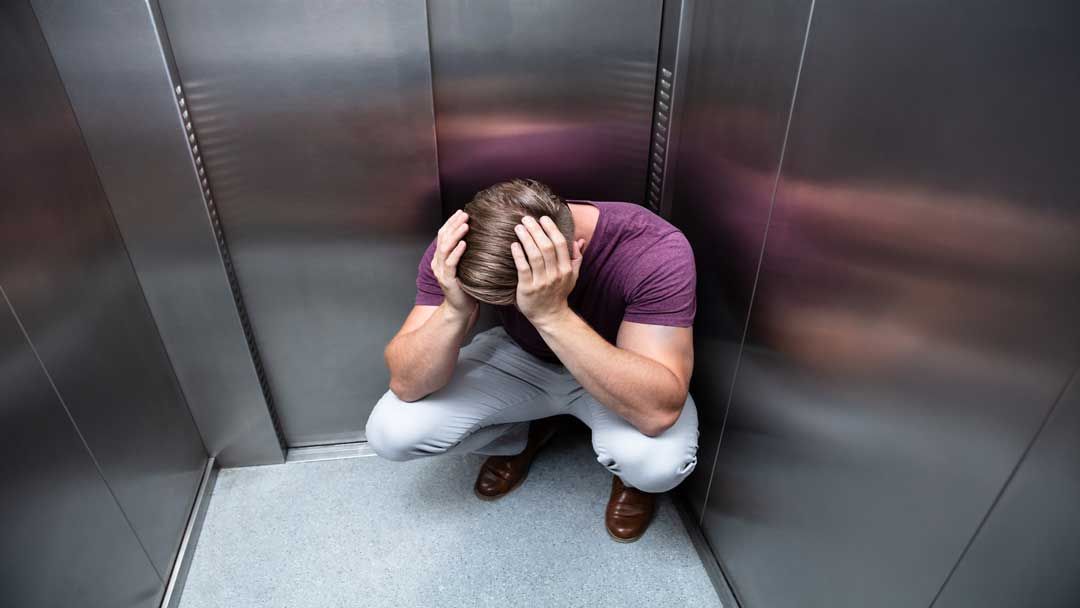
Yes, you can file a lawsuit if you were stuck in an elevator in New York City, even without obvious physical injuries. If the entrapment caused emotional distress, panic attacks, claustrophobia, or post-traumatic stress disorder (PTSD) requiring medical or psychological treatment, you may be entitled to compensation under New York premises liability law.

Elevator entrapment cases fall under premises liability, where property owners have a legal duty to maintain safe, functioning elevators. When that duty is breached through deferred maintenance, ignored safety violations, or defective equipment, and you suffer harm as a result, the law provides a path to hold negligent parties accountable.

The key distinction in New York is that emotional distress claims typically require either a physical manifestation of that distress or evidence of severe, documented psychological harm. Courts look for substantiated trauma: therapy records, psychiatric diagnoses, medication prescriptions, and testimony about how the incident disrupted your daily life, work, and relationships.

If you were trapped in a premises liability accident in a New York City building, you deserve to understand your legal options. Our experienced personal injury attorneys have helped thousands of New Yorkers pursue the compensation they deserve after elevator accidents across all five boroughs.

Who Can Be Held Liable in a Stuck Elevator Lawsuit?

Determining liability in an elevator entrapment case requires investigating multiple parties who share responsibility for elevator safety.

Property Owners and Landlords

Property owners carry a non-delegable duty of care to maintain elevators in safe working condition. This duty cannot be transferred to a management company or maintenance contractor. Even if the owner hires third parties to handle inspections and repairs, the owner remains legally responsible for ensuring compliance with NYC Department of Buildings regulations.

This applies to residential buildings, commercial office towers, NYCHA housing complexes, cooperative apartments, and condominium associations. In pre-war buildings along Central Park West or the Upper West Side, where elevator systems may be decades old, owners must proactively modernize equipment to meet current safety standards.

Management Companies

Building management companies that oversee day-to-day operations may be liable if they fail to respond to tenant complaints, ignore warning signs of mechanical failure, or neglect to schedule required inspections. Operational negligence—such as disabling safety features or failing to post “Out of Order” signs—can create independent liability.

Elevator Maintenance Contractors

Third-party maintenance companies contracted to inspect, service, and repair elevators can be held liable for negligent maintenance practices. This includes failure to identify defects during routine inspections, improper repairs, use of substandard replacement parts, or falsification of maintenance logs.

Major elevator service providers like Otis, Schindler, ThyssenKrupp, and KONE maintain service contracts throughout NYC. When maintenance records reveal missed inspections or deferred repairs before an entrapment incident, these companies may share liability.

Elevator Manufacturers

Product liability claims may arise when entrapment results from design defects, manufacturing defects, or failure to warn about known hazards. If a control board, door interlock system, or emergency brake was defectively designed or improperly manufactured, the equipment maker can be sued regardless of whether the building owner was negligent.

Government Entities (NYCHA and MTA)

Claims against government entities require special procedures. If you were trapped in an elevator in a New York City Housing Authority (NYCHA) building or an MTA subway station elevator, you must file a Notice of Claim within 90 days of the incident. Missing this deadline can bar your claim entirely.

NYCHA buildings in the South Bronx, Brooklyn, and other boroughs have faced repeated violations for elevator failures, often involving chronic maintenance backlogs and systemic neglect.

Common Causes of Elevator Entrapment in NYC Buildings

Understanding common mechanical failures helps establish causation in your claim.

Control Board and Circuit Failures: Modern elevators rely on computerized control systems to manage door operations, floor leveling, and emergency protocols. When control boards malfunction due to power surges, software errors, or component degradation, elevators may stall between floors or fail to respond to call buttons.

Door Interlock System Malfunctions: Door interlock circuits are safety mechanisms designed to prevent elevator movement when doors are open. When these circuits fail due to sensor misalignment, worn contact switches, or wiring defects, elevators may become trapped with doors partially open.

Hydraulic System Pressure Loss: Hydraulic elevators, common in low-rise buildings throughout Queens, Brooklyn, and the Bronx, depend on fluid pressure to raise and lower the cab. Leaking hydraulic fluid, failed pumps, or valve malfunctions can cause sudden stops or prevent the elevator from reaching floor level.

Overspeed Governor and Brake Failures: Governors are emergency braking systems that engage if an elevator accelerates or decelerates too rapidly. When governors malfunction, elevators may experience sudden drops or jerky movements that trap passengers and cause physical injuries.

Misleveling and Sensor Drift: Elevators that consistently stop several inches above or below floor level create tripping hazards and may eventually stall completely. Sensor drift indicates inadequate preventive maintenance.

In converted loft spaces in DUMBO and Williamsburg, freight elevators repurposed for residential use may lack modern safety features, increasing entrapment risks.

Proving Negligence in Your Elevator Accident Case

To recover compensation, you must establish four elements of negligence under New York law:

Duty of Care: The defendant owed you a legal duty to maintain the elevator in a safe condition. Property owners, management companies, and maintenance contractors all owe this duty to building occupants, tenants, employees, and visitors.

Breach of Duty: The defendant failed to meet the required standard of care. Breach can include ignoring NYC Department of Buildings violations, skipping required inspections, failing to repair known defects, or using unqualified technicians.

Causation: The defendant’s breach directly caused your entrapment and resulting injuries. This requires linking the specific mechanical failure to the defendant’s negligent acts or omissions through maintenance logs, inspection records, and expert testimony from elevator engineers.

Damages: You suffered actual harm—whether physical injuries, psychological trauma, medical expenses, lost wages, or pain and suffering.

Notice of Defect

New York law distinguishes between actual notice (the defendant knew about the defect) and constructive notice (the defect existed long enough that the defendant should have known). If a building received multiple 311 complaints about elevator problems before your entrapment, that establishes notice.

Res Ipsa Loquitur

In Latin, “the thing speaks for itself.” This legal doctrine allows you to establish negligence without direct evidence when the accident is the type that ordinarily does not occur without negligence. Elevator entrapments often qualify because properly maintained elevators do not trap people.

Preserving Evidence

Spoliation of evidence—when defendants destroy or alter maintenance logs, surveillance video, or elevator components after an accident—can result in sanctions. It is critical to send a preservation letter immediately after your entrapment.

Unsure if you have enough evidence? We offer free case evaluations to review your documentation and advise on next steps.

NYC Elevator Safety Laws and Inspection Requirements

New York City maintains some of the strictest elevator safety regulations in the country, enforced by the NYC Department of Buildings (DOB).

NYC Department of Buildings Oversight: The DOB Elevator Division regulates approximately 84,000 elevators across the five boroughs. Building owners must register each elevator device and maintain current inspection certificates. Failure to comply results in violations, fines, and potential building shutdowns.

Category 1 Periodic Inspections: Category 1 inspections are comprehensive annual safety inspections conducted by licensed elevator inspectors. These inspections examine all safety systems, mechanical components, and code compliance. Buildings that fail receive violations that must be corrected before the elevator can legally operate.

Category 5 Periodic Inspections: Category 5 inspections are five-year comprehensive tests of elevator safety devices, including overspeed governors, buffers, and emergency brakes. These tests simulate emergency conditions to verify that safety systems function properly.

311 Complaint History and Violation Records: The NYC DOB maintains public records of elevator violations and 311 complaints. These records are discoverable in litigation and can establish notice of defects. If a building accumulated multiple complaints about a specific elevator before your entrapment, that history strengthens your claim.

In commercial high-rises in the Financial District near the Oculus or Midtown Manhattan office towers surrounding Grand Central Terminal, elevator systems are subject to heightened scrutiny due to high occupancy and heavy usage.

What Damages Can You Recover for Being Stuck in an Elevator?

New York law allows recovery of both economic and non-economic damages in elevator entrapment cases.

Economic Damages

Economic damages compensate for measurable financial losses:

  • Medical expenses: Emergency room visits, psychiatric care, therapy sessions, medication costs, and ongoing mental health treatment
  • Lost wages: Income lost due to inability to work during recovery or ongoing psychological treatment
  • Future medical costs: Projected costs of long-term therapy or psychiatric care for chronic PTSD or anxiety disorders

Non-Economic Damages

Non-economic damages compensate for intangible harms:

  • Pain and suffering: Physical discomfort and emotional anguish during and after the entrapment
  • Loss of enjoyment of life: Inability to participate in activities you previously enjoyed due to elevator phobia or anxiety
  • Emotional distress: Severe psychological harm, including panic attacks, nightmares, and hypervigilance

Psychological Trauma and PTSD

New York courts recognize that elevator entrapment can cause genuine psychiatric injuries. To recover damages for emotional distress without accompanying physical injury, you typically must demonstrate:

  • A formal diagnosis from a licensed psychiatrist or psychologist (such as PTSD, generalized anxiety disorder, or specific phobia)
  • Documented treatment history (therapy sessions, psychiatric evaluations, prescribed medications)
  • Expert testimony linking your psychological condition to the elevator incident
  • Evidence of functional impairment (inability to use elevators, avoidance of tall buildings, impact on employment)

Claustrophobia, panic disorder, and fear of enclosed spaces are recognized conditions that may warrant substantial compensation when they arise from traumatic entrapment.

Wrongful Death

When elevator accidents result in fatalities—such as crush injuries from door failures or fatal falls due to misleveling—surviving family members may file wrongful death claims in New York. These claims seek compensation for loss of financial support, loss of companionship, funeral expenses, and the decedent’s conscious pain and suffering before death.

Frequently Asked Questions

Can I sue if I was stuck in an elevator but not physically injured?

Yes, you can pursue compensation for emotional distress and psychological trauma even without physical injuries, provided you can document the severity of your mental health condition through medical records, psychiatric evaluations, and expert testimony. New York courts typically require that emotional distress be substantial and result in a diagnosable condition such as PTSD, panic disorder, or severe anxiety.

How much is the average settlement for an elevator entrapment case in NYC?

Settlement values vary widely based on the severity of injuries, duration of entrapment, strength of liability evidence, and quality of medical documentation. Cases involving brief entrapments with minimal psychological impact may settle for tens of thousands of dollars, while cases involving prolonged entrapment, severe PTSD, or physical injuries can result in settlements or verdicts ranging from hundreds of thousands to millions of dollars.

Who is responsible for elevator maintenance in a New York City co-op?

In cooperative buildings, the co-op corporation (the entity that owns the building) is responsible for elevator maintenance and compliance with NYC Department of Buildings regulations. The co-op’s insurance policy typically covers premises liability claims, though the co-op may seek indemnification from maintenance contractors if negligent repairs caused the incident.

What is the statute of limitations for filing an elevator accident lawsuit in New York?

The statute of limitations for personal injury claims in New York is generally three years from the date of the accident. However, claims against government entities like NYCHA or the MTA require filing a Notice of Claim within 90 days of the incident, followed by a lawsuit within one year and 90 days. Missing these deadlines typically bars your claim permanently.

How do I prove the landlord knew the elevator was defective before I got stuck?

Proof of notice can come from prior 311 complaints about the same elevator, NYC DOB violation records, tenant complaint logs, maintenance records showing repeated service calls for the same issue, or testimony from other tenants who experienced similar problems. Your attorney can subpoena these records during discovery.

Does the elevator maintenance company share liability with the building owner?

Yes, maintenance companies can be held independently liable if their negligent inspection, repair, or maintenance practices caused or contributed to the entrapment. Both the building owner and the maintenance company may be jointly liable, allowing you to recover from either or both defendants.

What should I do immediately after being rescued from a stuck elevator to protect my claim?

Seek medical attention immediately, even if you feel fine. Report the incident to building management in writing and request a copy of the incident report. Photograph the elevator, including any posted inspection certificates. Obtain contact information from witnesses. Document your emotional state and symptoms in a journal. Consult an experienced premises liability attorney before giving recorded statements to insurance adjusters.

What To Do After Being Trapped in an Elevator

Protecting your legal rights begins immediately after rescue:

Seek immediate medical evaluation. Even if you feel physically unharmed, see a doctor within 24 hours. Medical records created close to the incident carry more weight than delayed treatment.

Report the incident in writing. Notify building management or the property owner in writing. Request a copy of any incident report they create.

Preserve evidence. Take photographs of the elevator interior, control panel, posted inspection certificates, and any visible defects.

Gather witness information. If other people were trapped with you, obtain their names and contact information.

Document your symptoms. Keep a journal recording your emotional state, physical symptoms, sleep disturbances, anxiety episodes, and any changes in your daily functioning.

Do not give recorded statements. Insurance adjusters may contact you quickly seeking a recorded statement. Politely decline and refer them to your attorney.

Consult an experienced personal injury attorney. Elevator entrapment cases involve complex liability questions, multiple potential defendants, and technical evidence about mechanical failures.

How Daniella Levi & Associates Can Help With Your Elevator Accident Claim

If you were stuck in an elevator in Queens, Brooklyn, Manhattan, the Bronx, or anywhere in New York City, you deserve compassionate, tenacious legal representation from attorneys who understand the physical, emotional, and financial impact of your experience.

At Daniella Levi & Associates, P.C., our personal injury law firm has recovered over $100 million in verdicts and settlements for injured New Yorkers. We have over 75 years of combined legal experience handling premises liability claims, elevator accidents, and emotional distress cases throughout NYC.

We fight for you. We investigate who is responsible—property owners, management companies, maintenance contractors, or manufacturers—and hold them accountable. We work with elevator engineering experts to analyze mechanical failures, review NYC Department of Buildings records to establish notice of defects, and consult with psychiatrists to document psychological trauma.

We protect your best interests. You pay nothing unless we win your case. We offer free consultations at our office, your home, or through video conferencing. If your injury or anxiety prevents you from traveling, we’ll come to you. Our multilingual team serves clients in English, Spanish, Hebrew, and Tagalog.

We get results. Our track record includes multi-million dollar verdicts and settlements for injured clients. We are members of the Million Dollar Advocates Forum and have been recognized by Super Lawyers and the New York Law Journal. Over 300 Google reviews across our six NYC locations reflect our commitment to client satisfaction.

Don’t let insurance companies minimize your trauma or pressure you into an unfair settlement.

Call 718-380-7440 or contact us online to schedule your free consultation today.

accident lawyers near me daniella levi and associates the bronx

I Was Physically Attacked at the Grocery Store.

Can I Sue the Store? What is The Responsibility of the Store?

Yes, you may be able to sue the owner of the store, however, there are a few things to consider. First, was the attacker an employee of the store or a store patron. Depending on the answer, there would be different things you would need to show to prove that the store owner was negligent and therefore responsible. Having an experienced legal team on your side will be fundamental to your victory in court.

Were you attacked in a store?  Who perpetrated your assault?  Was it a random stranger?  Another customer?  An employee?  This element of your case will be important in determining whether the store had any responsibility in the attack.

Suing the grocery store after getting attacked by someone in it can be a complex endeavor. You will need an experienced personal injury lawyer on your side to prove that the store was negligent in the attack. Contact the legal team of Daniella Levi & Associates.

New York personal injury legal team

If you are attacked in a grocery store in New York, contact the top premise injury lawyer team in New York – Daniella Levi & Associates. You will have an entire firm dedicated to your case. Your legal team will work persistently to secure the maximum compensation for your injuries. Call us today for your free consultation.

At your first visit to our office, you will meet the team you will work with throughout your case.  Together, we will carefully review the details of your case so we can advise you of your rights every step of the way. In addition, we will be in constant communication with you, so you will always know the progress in your case.  We will be available to answer any questions regarding your case when you have them.

We know you want a resolution to your case as soon as possible; we believe it’s best to work proactively rather than reactively.  Our goal is not simply a quick and easy settlement – we won’t rest until we have secured a win for you.