
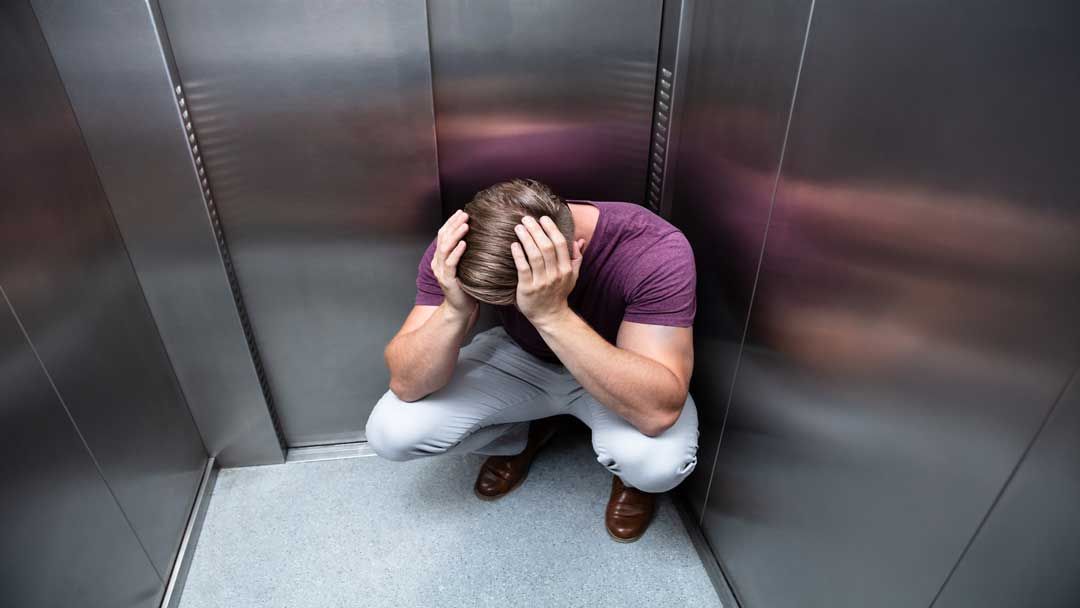
Stuck in an Elevator in NYC: Can You Sue?
Key Takeaways
- You can sue for elevator entrapment in NYC even without visible physical injuries if you suffered emotional distress, panic attacks, or PTSD requiring medical treatment.
- Property owners, management companies, maintenance contractors, and elevator manufacturers may all share liability depending on the cause of the malfunction.
- New York law allows compensation for medical bills, lost wages, pain and suffering, and psychological trauma when properly documented.
- The statute of limitations is typically three years from the accident date, but only 90 days for claims against government entities like NYCHA.
Written by Daniella Levi & Associates, P.C.
New York City Personal Injury and Premises Liability Attorneys
Can You Sue If You Were Stuck in an Elevator in NYC?
Yes, you can file a lawsuit if you were stuck in an elevator in New York City, even without obvious physical injuries. If the entrapment caused emotional distress, panic attacks, claustrophobia, or post-traumatic stress disorder (PTSD) requiring medical or psychological treatment, you may be entitled to compensation under New York premises liability law.
Elevator entrapment cases fall under premises liability, where property owners have a legal duty to maintain safe, functioning elevators. When that duty is breached through deferred maintenance, ignored safety violations, or defective equipment, and you suffer harm as a result, the law provides a path to hold negligent parties accountable.
The key distinction in New York is that emotional distress claims typically require either a physical manifestation of that distress or evidence of severe, documented psychological harm. Courts look for substantiated trauma: therapy records, psychiatric diagnoses, medication prescriptions, and testimony about how the incident disrupted your daily life, work, and relationships.
If you were trapped in a premises liability accident in a New York City building, you deserve to understand your legal options. Our experienced personal injury attorneys have helped thousands of New Yorkers pursue the compensation they deserve after elevator accidents across all five boroughs.
Who Can Be Held Liable in a Stuck Elevator Lawsuit?
Determining liability in an elevator entrapment case requires investigating multiple parties who share responsibility for elevator safety.
Property Owners and Landlords
Property owners carry a non-delegable duty of care to maintain elevators in safe working condition. This duty cannot be transferred to a management company or maintenance contractor. Even if the owner hires third parties to handle inspections and repairs, the owner remains legally responsible for ensuring compliance with NYC Department of Buildings regulations.
This applies to residential buildings, commercial office towers, NYCHA housing complexes, cooperative apartments, and condominium associations. In pre-war buildings along Central Park West or the Upper West Side, where elevator systems may be decades old, owners must proactively modernize equipment to meet current safety standards.
Management Companies
Building management companies that oversee day-to-day operations may be liable if they fail to respond to tenant complaints, ignore warning signs of mechanical failure, or neglect to schedule required inspections. Operational negligence—such as disabling safety features or failing to post “Out of Order” signs—can create independent liability.
Elevator Maintenance Contractors
Third-party maintenance companies contracted to inspect, service, and repair elevators can be held liable for negligent maintenance practices. This includes failure to identify defects during routine inspections, improper repairs, use of substandard replacement parts, or falsification of maintenance logs.
Major elevator service providers like Otis, Schindler, ThyssenKrupp, and KONE maintain service contracts throughout NYC. When maintenance records reveal missed inspections or deferred repairs before an entrapment incident, these companies may share liability.
Elevator Manufacturers
Product liability claims may arise when entrapment results from design defects, manufacturing defects, or failure to warn about known hazards. If a control board, door interlock system, or emergency brake was defectively designed or improperly manufactured, the equipment maker can be sued regardless of whether the building owner was negligent.
Government Entities (NYCHA and MTA)
Claims against government entities require special procedures. If you were trapped in an elevator in a New York City Housing Authority (NYCHA) building or an MTA subway station elevator, you must file a Notice of Claim within 90 days of the incident. Missing this deadline can bar your claim entirely.
NYCHA buildings in the South Bronx, Brooklyn, and other boroughs have faced repeated violations for elevator failures, often involving chronic maintenance backlogs and systemic neglect.
Common Causes of Elevator Entrapment in NYC Buildings
Understanding common mechanical failures helps establish causation in your claim.
Control Board and Circuit Failures: Modern elevators rely on computerized control systems to manage door operations, floor leveling, and emergency protocols. When control boards malfunction due to power surges, software errors, or component degradation, elevators may stall between floors or fail to respond to call buttons.
Door Interlock System Malfunctions: Door interlock circuits are safety mechanisms designed to prevent elevator movement when doors are open. When these circuits fail due to sensor misalignment, worn contact switches, or wiring defects, elevators may become trapped with doors partially open.
Hydraulic System Pressure Loss: Hydraulic elevators, common in low-rise buildings throughout Queens, Brooklyn, and the Bronx, depend on fluid pressure to raise and lower the cab. Leaking hydraulic fluid, failed pumps, or valve malfunctions can cause sudden stops or prevent the elevator from reaching floor level.
Overspeed Governor and Brake Failures: Governors are emergency braking systems that engage if an elevator accelerates or decelerates too rapidly. When governors malfunction, elevators may experience sudden drops or jerky movements that trap passengers and cause physical injuries.
Misleveling and Sensor Drift: Elevators that consistently stop several inches above or below floor level create tripping hazards and may eventually stall completely. Sensor drift indicates inadequate preventive maintenance.
In converted loft spaces in DUMBO and Williamsburg, freight elevators repurposed for residential use may lack modern safety features, increasing entrapment risks.
Proving Negligence in Your Elevator Accident Case
To recover compensation, you must establish four elements of negligence under New York law:
Duty of Care: The defendant owed you a legal duty to maintain the elevator in a safe condition. Property owners, management companies, and maintenance contractors all owe this duty to building occupants, tenants, employees, and visitors.
Breach of Duty: The defendant failed to meet the required standard of care. Breach can include ignoring NYC Department of Buildings violations, skipping required inspections, failing to repair known defects, or using unqualified technicians.
Causation: The defendant’s breach directly caused your entrapment and resulting injuries. This requires linking the specific mechanical failure to the defendant’s negligent acts or omissions through maintenance logs, inspection records, and expert testimony from elevator engineers.
Damages: You suffered actual harm—whether physical injuries, psychological trauma, medical expenses, lost wages, or pain and suffering.
Notice of Defect
New York law distinguishes between actual notice (the defendant knew about the defect) and constructive notice (the defect existed long enough that the defendant should have known). If a building received multiple 311 complaints about elevator problems before your entrapment, that establishes notice.
Res Ipsa Loquitur
In Latin, “the thing speaks for itself.” This legal doctrine allows you to establish negligence without direct evidence when the accident is the type that ordinarily does not occur without negligence. Elevator entrapments often qualify because properly maintained elevators do not trap people.
Preserving Evidence
Spoliation of evidence—when defendants destroy or alter maintenance logs, surveillance video, or elevator components after an accident—can result in sanctions. It is critical to send a preservation letter immediately after your entrapment.
Unsure if you have enough evidence? We offer free case evaluations to review your documentation and advise on next steps.
NYC Elevator Safety Laws and Inspection Requirements
New York City maintains some of the strictest elevator safety regulations in the country, enforced by the NYC Department of Buildings (DOB).
NYC Department of Buildings Oversight: The DOB Elevator Division regulates approximately 84,000 elevators across the five boroughs. Building owners must register each elevator device and maintain current inspection certificates. Failure to comply results in violations, fines, and potential building shutdowns.
Category 1 Periodic Inspections: Category 1 inspections are comprehensive annual safety inspections conducted by licensed elevator inspectors. These inspections examine all safety systems, mechanical components, and code compliance. Buildings that fail receive violations that must be corrected before the elevator can legally operate.
Category 5 Periodic Inspections: Category 5 inspections are five-year comprehensive tests of elevator safety devices, including overspeed governors, buffers, and emergency brakes. These tests simulate emergency conditions to verify that safety systems function properly.
311 Complaint History and Violation Records: The NYC DOB maintains public records of elevator violations and 311 complaints. These records are discoverable in litigation and can establish notice of defects. If a building accumulated multiple complaints about a specific elevator before your entrapment, that history strengthens your claim.
In commercial high-rises in the Financial District near the Oculus or Midtown Manhattan office towers surrounding Grand Central Terminal, elevator systems are subject to heightened scrutiny due to high occupancy and heavy usage.
What Damages Can You Recover for Being Stuck in an Elevator?
New York law allows recovery of both economic and non-economic damages in elevator entrapment cases.
Economic Damages
Economic damages compensate for measurable financial losses:
- Medical expenses: Emergency room visits, psychiatric care, therapy sessions, medication costs, and ongoing mental health treatment
- Lost wages: Income lost due to inability to work during recovery or ongoing psychological treatment
- Future medical costs: Projected costs of long-term therapy or psychiatric care for chronic PTSD or anxiety disorders
Non-Economic Damages
Non-economic damages compensate for intangible harms:
- Pain and suffering: Physical discomfort and emotional anguish during and after the entrapment
- Loss of enjoyment of life: Inability to participate in activities you previously enjoyed due to elevator phobia or anxiety
- Emotional distress: Severe psychological harm, including panic attacks, nightmares, and hypervigilance
Psychological Trauma and PTSD
New York courts recognize that elevator entrapment can cause genuine psychiatric injuries. To recover damages for emotional distress without accompanying physical injury, you typically must demonstrate:
- A formal diagnosis from a licensed psychiatrist or psychologist (such as PTSD, generalized anxiety disorder, or specific phobia)
- Documented treatment history (therapy sessions, psychiatric evaluations, prescribed medications)
- Expert testimony linking your psychological condition to the elevator incident
- Evidence of functional impairment (inability to use elevators, avoidance of tall buildings, impact on employment)
Claustrophobia, panic disorder, and fear of enclosed spaces are recognized conditions that may warrant substantial compensation when they arise from traumatic entrapment.
Wrongful Death
When elevator accidents result in fatalities—such as crush injuries from door failures or fatal falls due to misleveling—surviving family members may file wrongful death claims in New York. These claims seek compensation for loss of financial support, loss of companionship, funeral expenses, and the decedent’s conscious pain and suffering before death.
Frequently Asked Questions
Can I sue if I was stuck in an elevator but not physically injured?
Yes, you can pursue compensation for emotional distress and psychological trauma even without physical injuries, provided you can document the severity of your mental health condition through medical records, psychiatric evaluations, and expert testimony. New York courts typically require that emotional distress be substantial and result in a diagnosable condition such as PTSD, panic disorder, or severe anxiety.
How much is the average settlement for an elevator entrapment case in NYC?
Settlement values vary widely based on the severity of injuries, duration of entrapment, strength of liability evidence, and quality of medical documentation. Cases involving brief entrapments with minimal psychological impact may settle for tens of thousands of dollars, while cases involving prolonged entrapment, severe PTSD, or physical injuries can result in settlements or verdicts ranging from hundreds of thousands to millions of dollars.
Who is responsible for elevator maintenance in a New York City co-op?
In cooperative buildings, the co-op corporation (the entity that owns the building) is responsible for elevator maintenance and compliance with NYC Department of Buildings regulations. The co-op’s insurance policy typically covers premises liability claims, though the co-op may seek indemnification from maintenance contractors if negligent repairs caused the incident.
What is the statute of limitations for filing an elevator accident lawsuit in New York?
The statute of limitations for personal injury claims in New York is generally three years from the date of the accident. However, claims against government entities like NYCHA or the MTA require filing a Notice of Claim within 90 days of the incident, followed by a lawsuit within one year and 90 days. Missing these deadlines typically bars your claim permanently.
How do I prove the landlord knew the elevator was defective before I got stuck?
Proof of notice can come from prior 311 complaints about the same elevator, NYC DOB violation records, tenant complaint logs, maintenance records showing repeated service calls for the same issue, or testimony from other tenants who experienced similar problems. Your attorney can subpoena these records during discovery.
Does the elevator maintenance company share liability with the building owner?
Yes, maintenance companies can be held independently liable if their negligent inspection, repair, or maintenance practices caused or contributed to the entrapment. Both the building owner and the maintenance company may be jointly liable, allowing you to recover from either or both defendants.
What should I do immediately after being rescued from a stuck elevator to protect my claim?
Seek medical attention immediately, even if you feel fine. Report the incident to building management in writing and request a copy of the incident report. Photograph the elevator, including any posted inspection certificates. Obtain contact information from witnesses. Document your emotional state and symptoms in a journal. Consult an experienced premises liability attorney before giving recorded statements to insurance adjusters.
What To Do After Being Trapped in an Elevator
Protecting your legal rights begins immediately after rescue:
Seek immediate medical evaluation. Even if you feel physically unharmed, see a doctor within 24 hours. Medical records created close to the incident carry more weight than delayed treatment.
Report the incident in writing. Notify building management or the property owner in writing. Request a copy of any incident report they create.
Preserve evidence. Take photographs of the elevator interior, control panel, posted inspection certificates, and any visible defects.
Gather witness information. If other people were trapped with you, obtain their names and contact information.
Document your symptoms. Keep a journal recording your emotional state, physical symptoms, sleep disturbances, anxiety episodes, and any changes in your daily functioning.
Do not give recorded statements. Insurance adjusters may contact you quickly seeking a recorded statement. Politely decline and refer them to your attorney.
Consult an experienced personal injury attorney. Elevator entrapment cases involve complex liability questions, multiple potential defendants, and technical evidence about mechanical failures.
How Daniella Levi & Associates Can Help With Your Elevator Accident Claim
If you were stuck in an elevator in Queens, Brooklyn, Manhattan, the Bronx, or anywhere in New York City, you deserve compassionate, tenacious legal representation from attorneys who understand the physical, emotional, and financial impact of your experience.
At Daniella Levi & Associates, P.C., our personal injury law firm has recovered over $100 million in verdicts and settlements for injured New Yorkers. We have over 75 years of combined legal experience handling premises liability claims, elevator accidents, and emotional distress cases throughout NYC.
We fight for you. We investigate who is responsible—property owners, management companies, maintenance contractors, or manufacturers—and hold them accountable. We work with elevator engineering experts to analyze mechanical failures, review NYC Department of Buildings records to establish notice of defects, and consult with psychiatrists to document psychological trauma.
We protect your best interests. You pay nothing unless we win your case. We offer free consultations at our office, your home, or through video conferencing. If your injury or anxiety prevents you from traveling, we’ll come to you. Our multilingual team serves clients in English, Spanish, Hebrew, and Tagalog.
We get results. Our track record includes multi-million dollar verdicts and settlements for injured clients. We are members of the Million Dollar Advocates Forum and have been recognized by Super Lawyers and the New York Law Journal. Over 300 Google reviews across our six NYC locations reflect our commitment to client satisfaction.
Don’t let insurance companies minimize your trauma or pressure you into an unfair settlement.
Call 718-380-7440 or contact us online to schedule your free consultation today.